

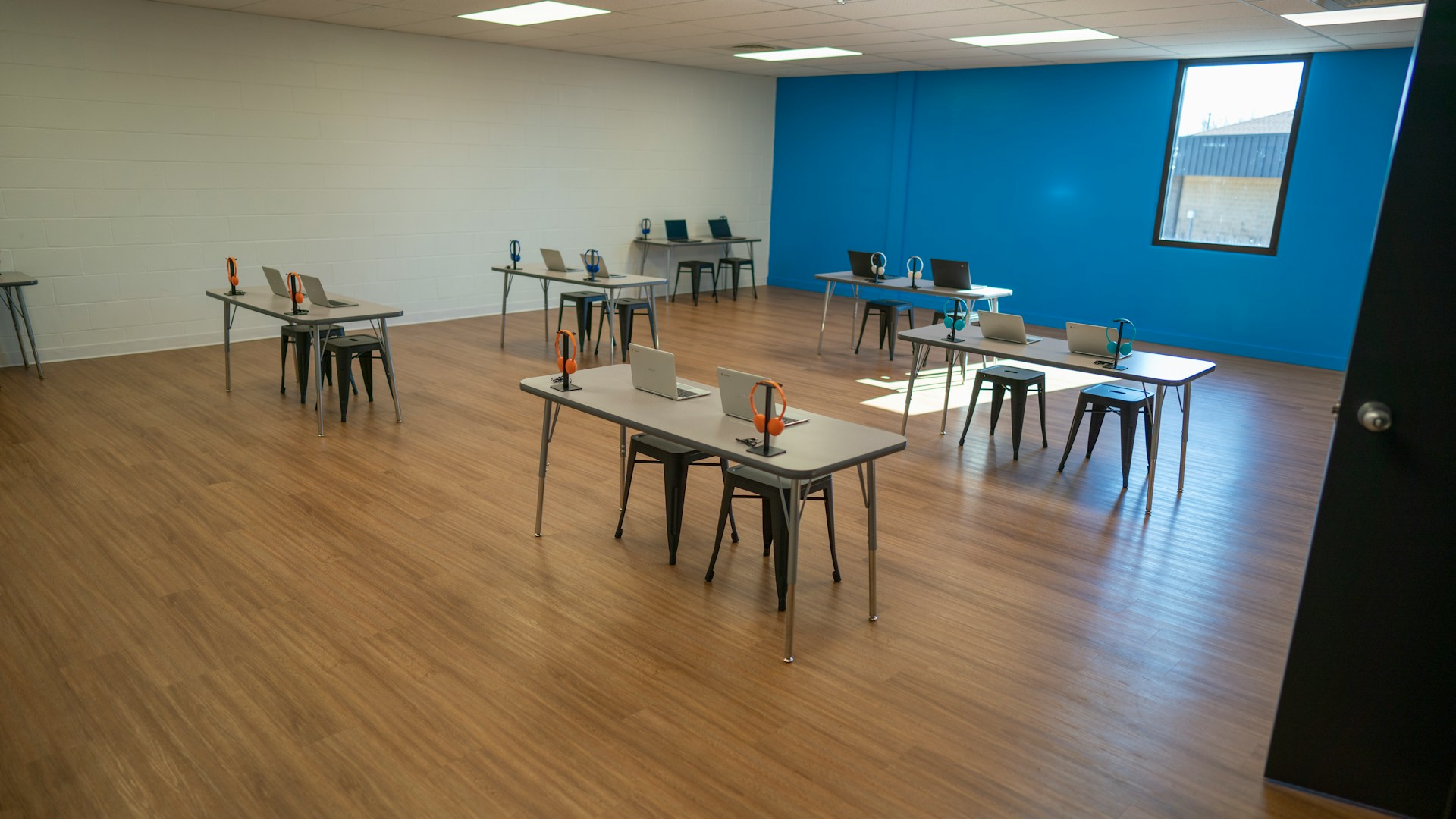
Summer shutdown can feel short when you are trying to finish big work on your campus. Renovations, new classrooms, extra clinic space, or added offices all need to be ready before people come back. Temporary modular swing space helps you keep projects moving while learning, care, or daily work continues somewhere safe and clean.
To make that happen, the real work starts months before the first truck rolls in. Permits, utilities, and delivery windows all have to line up inside a tight summer window. At US Modular Group East, Inc., we see this every year with temporary building solutions in Middle River and across the Mid-Atlantic, and we know that good planning turns a stressful shutdown into a smooth, on-time opening.
Make Summer Shutdown Work Harder for Your Campus
Summer is when campuses and facilities try to do the heavy lifting: noisy work, messy work, and anything that would disrupt daily activities. The goals are usually clear: get the project done, keep people safe, and be ready to reopen with as little chaos as possible.
Temporary modular swing space is the bridge that fills the gap. While your main building is under construction, you still need:
- Classrooms or labs where students can learn
- Exam rooms and waiting areas where patients feel comfortable
- Offices and meeting spaces where staff can stay productive
- Storage and support space for supplies, files, or equipment
Modular buildings can be installed and removed quickly, but that speed only pays off if the plan behind them is solid. That means thinking through permits, utility connections, and delivery access early, with real dates and real limits, not just big ideas on a whiteboard.
Start Early: Align Schedules, Stakeholders, and Scope
For most campuses, the summer shutdown is only a few weeks long. To use that window well, planning needs to start far ahead, often 6 to 9 months before you want people to move into the swing space.
Start by getting all the right voices in the same conversation. Typical stakeholders include:
- Facilities and operations teams
- IT and network staff
- Department heads or program leaders
- City or county permitting staff
- Your modular building provider
- General contractors and key subs
Bring everyone around a shared calendar. Work backward from your target occupancy date at the end of summer. Mark down exams, graduations, large events, and any community or traffic limits. Those are your hard “no work” days.
Then build a clear critical path that covers:
- Design approvals and code reviews
- Demolition or site clearing
- Grading, foundations, and utility rough-ins
- Factory production of the modular units
- Delivery and crane/set days
- Inspections, punch list work, and final cleaning
- Move-in dates for furniture, tech, and staff
When each group knows who does what and when, it is much easier to keep the project on track even if something shifts.
Navigating Permits and Code Requirements Without Delays
Temporary modular buildings still have to meet local rules. Swing space might be on site for only a school year or two, but it still needs to be safe, accessible, and approved before people walk in the door.
Common permits and reviews for modular swing space include:
- Zoning or land-use approvals for temporary placement
- Building permits for foundations, ramps, and tie-ins
- Fire marshal review for exits, alarms, and access
- Accessibility checks for ramps, door widths, and restrooms
Life-safety and ADA rules do not get softer just because a building is temporary. Partnering with a modular team that works regularly with Middle River and Mid-Atlantic authorities helps cut down on missed steps and surprise comments.
A few ways to help keep permit timelines shorter:
- Request a pre-application meeting with building and fire officials
- Share complete modular drawings, specs, and code data early
- Confirm what will be reviewed at the factory level and what is local
- Plan inspection dates in advance so you are not waiting with an empty, finished building
When permits and inspections are lined up with your construction schedule, there is less chance of sitting still while the summer days tick by.
Utility Planning That Keeps You Online From Day One
Good swing space is more than walls and doors. People expect power, comfort, and connection from the first day. That means utility planning has to go hand in hand with building design.
For classrooms, healthcare spaces, or offices, think through:
- Electrical capacity for HVAC, lights, outlets, and equipment
- Data and telecom paths for internet, phones, and security
- Water and sewer for restrooms, sinks, or staff areas
- Fire alarm and communication tie-ins back to the main campus
The right sequence looks something like this: confirm that your existing systems can support the added load, then design routes that do not cut through high-traffic walkways or sensitive areas. Trenching and rough-ins are often best done on low-traffic days or early in shutdown.
Final utility connections should be scheduled after the modules are set but with inspectors already queued. In Middle River and the Mid-Atlantic, summer heat and humidity also affect planning. HVAC needs to be sized for real summer conditions, not just mild days. You may also need:
- Stormwater controls for sudden summer storms
- Temporary power or data if permanent feeds will not be ready in time
- Backup plans for cooling if a heat wave hits before work is complete
Thinking through these details early keeps your swing space from turning into a hot, dark box that no one can use.
Mastering Delivery Windows and Site Logistics
Getting modular buildings to your campus is not as simple as “trucks show up and unload.” Each module is large, so road rules, local traffic, and quiet hours all matter, especially near schools and healthcare centers.
Before delivery starts, it helps to work with local authorities to:
- Approve trucking routes and times
- Avoid school bus or commuter rush hours
- Respect neighborhood noise and access rules
On campus, space is often tight. You will need clear plans for:
- Crane access paths that avoid overhead lines and tight turns
- Laydown areas where modules and materials can be staged safely
- Fencing, signage, and safe pedestrian detours
- Temporary changes to parking or drop-off zones
For short summer windows, every hour counts. Strategies that often help include grouping deliveries into narrow, well-sequenced windows, planning crane days for early mornings, evenings, or weekends, and building weather days into the schedule. Rain or high winds can slow crane work, so a little buffer can be the difference between “ready by opening day” and “scrambling with temporary fixes.”
Turn Summer Downtime Into Ready-to-Use Space
When permits, utilities, and logistics are all planned together, the summer shutdown feels less like a race and more like a carefully staged move. Modular swing space arrives on time, connects cleanly to your systems, passes inspection, and is ready for staff to move in without drama.
For facilities leaders across the Mid-Atlantic, especially those managing tight campuses like many in and around Middle River, early coordination with an experienced modular partner can turn a stressful season into a predictable project. Walking the site, reviewing schedules, and building a custom plan for temporary building solutions in Middle River sets you up to reopen with clean, code-compliant space that fully supports your longer-term renovation or expansion goals.
Get Started With Your Project Today
If you are ready to expand quickly and cost-effectively, our team at US Modular Group East, Inc. is here to help you plan the right approach. Explore our temporary building solutions in Middle River to find a configuration that meets your schedule, budget, and space needs. We will guide you through each step, from initial design through installation, so your operations keep moving without interruption. Have questions or need a custom quote? Simply contact us and we will respond promptly.