

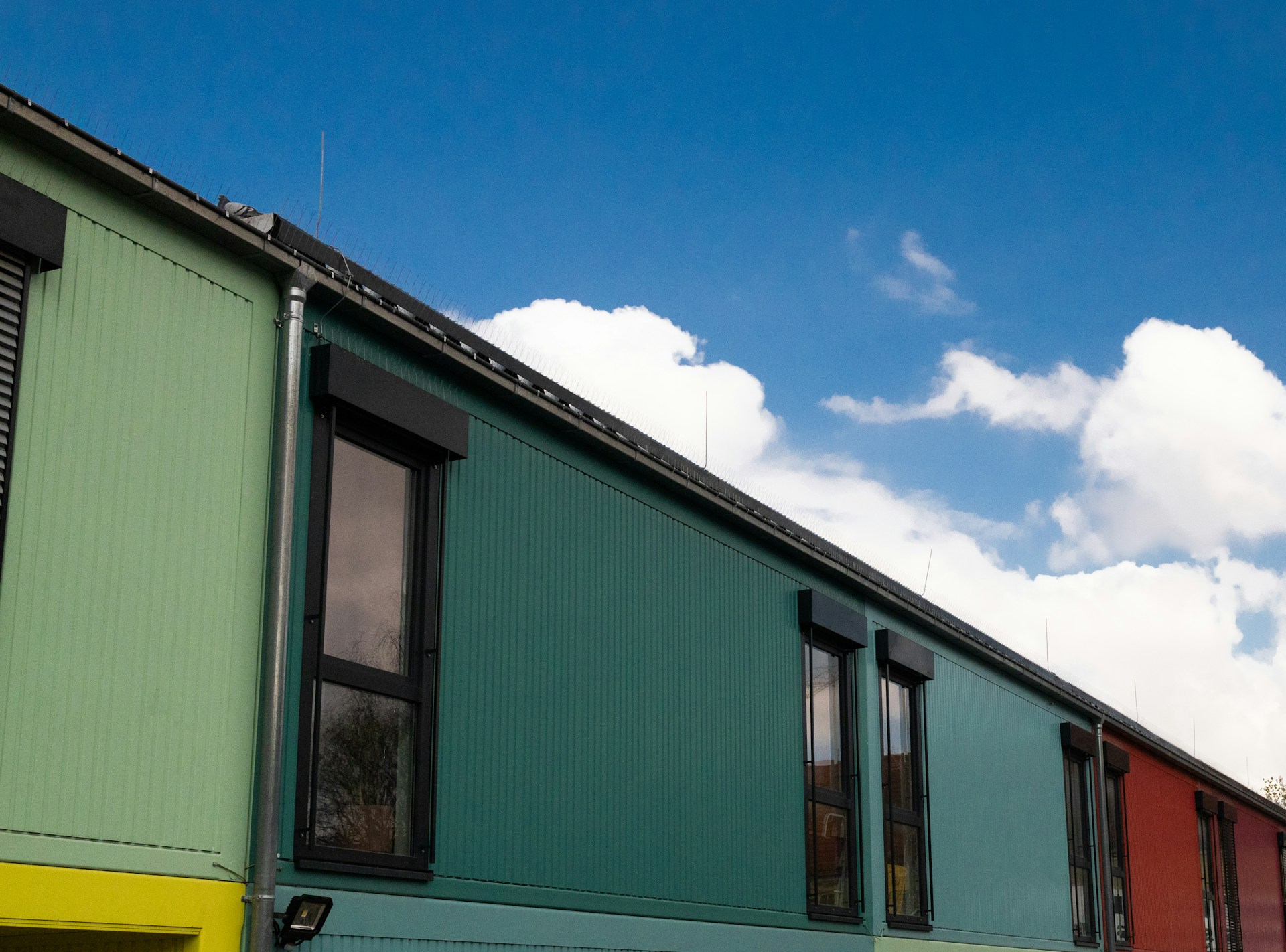
Keep Operations Running When Your Building Cannot
A building problem can shut you down faster than almost anything else. Storm damage, an aging roof, a broken chiller, or a renovation delay can leave you with people to serve and nowhere to put them. If there is no backup plan, operations stall, staff scramble, and your community feels the impact.
A modular swing-space plan keeps you working while your main building is offline. Modular swing space is not just a row of random trailers or a last-minute lease across town. It is a planned, code-compliant, temporary campus that keeps classrooms teaching, clinics seeing patients, offices working, and public services open.
In this playbook, we walk through the key steps: risk assessment, phased moves, utilities and IT, security, and realistic reopening timelines. Our focus is on schools, healthcare, government, and businesses that depend on reliable temporary building solutions in Middle River and across the Mid-Atlantic.
Map Your Risks Before the Next Disruption Hits
Before you talk about floor plans or furniture, you need to understand what could push you out of your building and how often that might happen. In our region, disruptions are not a matter of if, but when.
Common triggers you should review include:
- Planned capital projects or major renovations
- Code or accessibility upgrades that require areas to be vacated
- Flooding, high winds, or heavy snow events
- Unexpected structural or mechanical failures
- Peak-season expansions where you outgrow your current space
Next, list your critical functions. Ask simple questions like:
- Which departments or classrooms must be on-site, in person?
- Which care units or public counters cannot close without big impact?
- What work can move remote for a short time?
- What services can pause without putting people at risk?
Then define your risk tolerance and budget boundaries. Think about:
- How much downtime is acceptable for each function
- The maximum travel distance staff and visitors can handle to reach swing space
- How a modular approach can compress schedule time compared to traditional builds
When you do this work in advance, you can match the right modular solution to each risk instead of guessing under pressure.
Design a Phased Move That Protects Productivity
A good swing-space move feels boring in the best way. No chaos, no guessing, and no surprise closures. The secret is to move in waves, not one big all-at-once push.
Start by ranking your groups:
- First wave, mission-critical teams that must stay live
- Second wave, support staff and storage
- Third wave, nonessential functions that can wait or stay remote
By moving in phases, you avoid maxing out your staff on one painful weekend and reduce the chance of missing something important. This also lets you fix minor issues between waves so later moves go smoother.
Timing also matters. Try to line up moves with:
- School breaks for K-12 and higher education
- Fiscal year-end for agencies and businesses
- Summer construction windows like July and August
That way, you reduce disruption when people are taking tests, closing books, or managing peak patient loads.
Finally, build a clear communication roadmap. Plan how you will inform:
- Staff, about dates, parking, and access changes
- Customers, patients, or students, about new entrances and routes
- Regulators and partners, about temporary addresses and inspection schedules
Simple maps, short emails, and repeated reminders go a long way.
Engineer Utilities and IT for Day-One Readiness
A modular building is only as good as the power and data feeding it. If the lights flicker or the internet crawls, nobody cares how nice the floors look.
Start by assessing the swing-space site:
- Power capacity and electrical service
- Data and telecom backbones nearby
- Water and sewer access or approved alternatives
- Access for deliveries, school buses, and emergency vehicles
- Parking and safe drop-off areas
Then design connectivity with resilience in mind. This can include:
- Redundant internet paths where possible
- Secure wired and wireless networks
- Clear cable paths between modular units and network rooms
- Space for IT racks, servers, and backup hardware
Work alongside your IT team early so they can plan for firewalls, secure Wi-Fi, and any links to existing systems. The goal is for staff to plug in laptops and medical or classroom equipment on day one and get right to work.
Do not forget code compliance. Mechanical, electrical, plumbing, life safety, and accessibility must all meet local and state standards. Build enough time for:
- Permit reviews
- Site and building inspections
- Final approvals before move-in
Catching issues at this stage is far better than moving people in and then having to pause for a missed inspection.
Secure Your People, Property, and Data in Swing Space
Temporary does not mean low security. In fact, swing space can introduce new risks if you do not plan for them.
Start with physical security:
- Adequate exterior lighting and clear sightlines
- Controlled entry points, with keys or electronic access
- Video coverage in key areas, when appropriate
- Secure rooms or cabinets for records, medications, or high-value gear
Then shape your daily operations around safety. Think about:
- Visitor check-in and badging
- Traffic flow for cars, buses, and delivery trucks
- Safe paths for pedestrians, especially in bad weather
- Clear evacuation routes and gathering points
Our Mid-Atlantic weather brings heavy rain, snow, and strong winds at different times of year, so make sure walkways, ramps, and entrances are safe in all seasons.
Data and privacy protection also follow you into modular space. For schools, healthcare, and public agencies, that can include HIPAA, FERPA, and other rules. Work with IT and compliance teams to:
- Protect servers and network gear in secure rooms
- Lock down laptops and tablets when not in use
- Control access to paper files during packing, transport, and storage
Handled well, your modular campus can feel just as safe and controlled as your permanent one.
Build a Realistic Reopening Timeline and Exit Plan
A strong swing-space plan does not end with move-in; it ends with move-out and a smooth return to your permanent facility. To do that, work backward from your ideal reopen date.
Map the full modular timeline, including:
- Planning and space programming
- Design and permitting
- Off-site manufacturing of the modular units
- Site work like grading, utility runs, and foundations
- Delivery, craning/setting, and finish work
- Inspections, punch lists, and staff orientation
Next, plan for overlap stages. There will likely be a period when both the modular campus and the permanent building are active. Decide:
- When to start moving noncritical functions back
- How to phase patient, student, or customer transitions
- Which staff will stay in swing space until the last day
Set a firm exit plan so the temporary site does not linger longer than it should. This might include a written schedule for decommissioning, disconnecting utilities, and removing or relocating the modular buildings.
Finally, give yourself some buffer. Weather, site surprises, and supply swings can happen. One advantage of modular construction is that much of the work happens off-site while your site work moves ahead, which helps keep your schedule on track even during busy build seasons.
Turn Your Swing-Space Plan Into a Competitive Advantage
Once you build a modular swing-space plan, it becomes a standing asset, not a one-time project. Treat it like a living business continuity tool. Keep:
- Updated checklists for moves and returns
- Current contact lists for key vendors and inspectors
- A short list of pre-screened potential sites
- Notes from each event so the next one is even smoother
Organizations that can shift operations quickly have a real edge. They keep serving students, patients, residents, and customers while others are still trying to figure out what to do.
At US Modular Group East, Inc., we focus on designing, delivering, and relocating commercial modular buildings for schools, healthcare providers, government agencies, and businesses throughout the Mid-Atlantic. From our base near Middle River, we understand local codes, weather, and community needs, and we help clients turn temporary building solutions in Middle River and beyond into a reliable part of their continuity planning.
Get Started With Your Project Today
If you are ready to plan your next facility, our team at US Modular Group East, Inc. is here to help you compare options and timelines for temporary building solutions in Middle River. We will work with you to understand your space, budget, and schedule so we can recommend the right modular approach. To discuss your project or request a quote, simply contact us and we will respond promptly with next steps.