

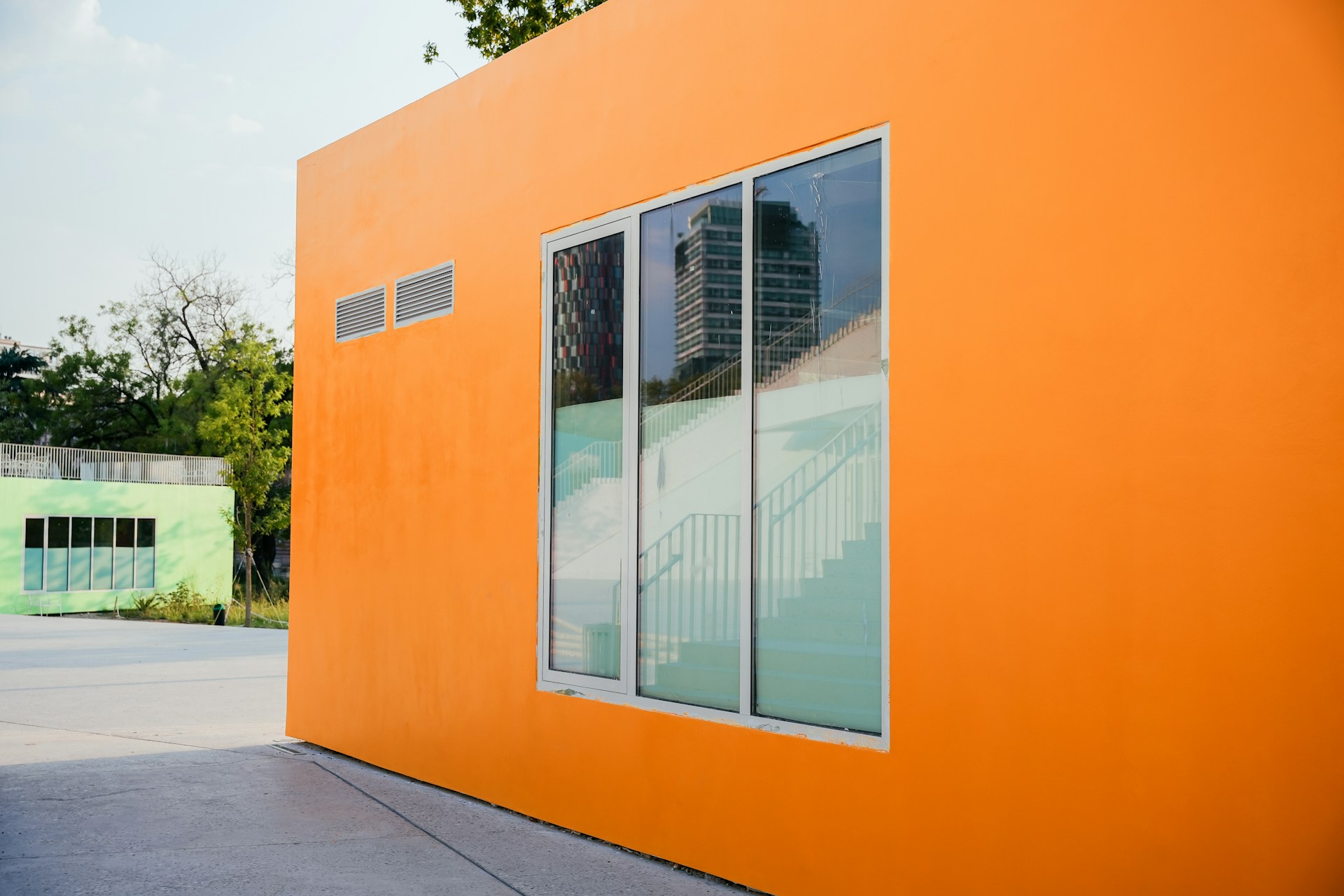
Seasonal Flex Space Planning with Modular Retail Buildings
Seasonal sales can be exciting, but they can also overwhelm your space. Summer events, Fourth of July promotions, and back-to-school crowds can pack your store, your parking lot, and your staff. When your permanent space is maxed out, long lines grow, customers give up, and you miss easy sales.
Modular retail buildings give you another option. Instead of taking on long-term construction for short-term needs, you can bring in flexible space only when you need it. In this article, we will walk through why seasonal flex space matters, how modular retail buildings help, and how to plan smart for summer and fall in the Mid-Atlantic region.
Why Seasonal Flex Space Matters More Than Ever
Seasonal traffic is not just about the holidays. In the Mid-Atlantic, warm weather brings extra shoppers for beach trips, outdoor concerts, farmers markets, fairs and community events. That is on top of your regular customers. When you add special sales or promotions, your permanent space can feel far too small.
A few things are driving the need for flexible space:
- Summer tourism and local events that bring short bursts of heavy traffic
- Outdoor markets and pop-up events that create chances for extra sales
- Back-to-school rushes at retailers, bookstores, and campus stores
Long leases or permanent build-outs for space you only need a few months a year can limit what you can do. It is hard to stay flexible when you are locked into a space that sits half empty in the slower seasons. On the other hand, brands that can grow and shrink quickly have a clear edge.
Seasonal flex space helps you:
- Add pop-up showrooms without changing your main store
- Set up curbside pickup hubs or online order pickup points
- Create temporary customer service centers during busy periods
Modular retail buildings give you the structure to do all of this in a planned, repeatable way, instead of rushing every time a peak season hits.
How Modular Retail Buildings Solve Seasonal Space Gaps
Modular retail buildings are prefabricated structures that are designed off-site, brought to you, and installed where you need them. They can be used as stand-alone seasonal stores or as add-ons next to an existing building.
They solve seasonal space gaps by giving you:
- Right-sized space tailored to each use
- Faster deployment compared to traditional construction
- The ability to relocate and reuse buildings at different sites
You might use one modular unit as a summer clearance outlet in your parking lot, with racks of last-season gear. Another unit might serve as a compact summer gear shop near a pool, sports complex, or waterfront. Some organizations use modular retail buildings as ticketing hubs, guest services, or will-call centers during big events.
Because much of the work happens off-site, disruption at your location stays low. Your main store can keep operating while the modular building is prepared. Once on-site, setup is typically quicker than a full construction project, so your parking, entrances, and guest access are not blocked for long.
Relocation is another key advantage. A unit used near the shore in summer might move to a campus as a bookstore annex for fall, and then shift again for another use in a different season. One structure, many uses.
Planning Summer and Fall Flex Space in the Mid-Atlantic
Good seasonal planning starts by working backward from the dates that matter most to you. In the Mid-Atlantic, many organizations plan around:
- Memorial Day and the start of summer traffic
- Fourth of July events, parades, and large retail sales
- Back-to-school periods for K, 12 and colleges
To be ready, think through each step: design, permitting, manufacturing, delivery, and installation. Each phase takes time, and timelines can shift based on local rules or site conditions. The earlier you start planning, the more options you have.
Weather also plays a big role. Mid-Atlantic summers bring heat, humidity, sudden storms, and sometimes coastal winds. When planning your modular retail buildings, consider:
- Shading and awnings to keep interiors comfortable
- Customer flow that keeps lines safe and away from traffic
- ADA-compliant ramps and entrances
- Utility hookups for HVAC, lighting, and point-of-sale systems
Different sectors will have different seasonal needs:
- Retailers might add outdoor equipment stores, swimwear shops, or clearance outlets in their parking lots
- Schools can set up modular space for bookstore overflow, uniform sales, registration, or tech pickup
- Healthcare providers might use modular units as temporary vaccination or wellness clinics during summer and fall campaigns
As a Mid-Atlantic modular provider, we see that teams that plan early are better prepared for sudden changes in demand, like a new event or a larger-than-expected enrollment surge.
Designing Seasonal Modular Spaces That Drive Sales
Seasonal buildings should still feel like your brand. When customers step into a modular retail building, they should know right away they are in the right place. The space may be temporary, but the experience should feel consistent and well planned.
Focus on:
- Matching exterior finishes and signage with your main store
- Clear glass frontage so people can see what is inside
- Interior colors and fixtures that fit your brand look
Smart interior planning is just as important. Think about how people move:
- Where do shoppers enter, browse, and pay?
- How can you prevent bottlenecks at checkout?
- Where will you store backstock and supplies out of sight?
Plan for wide aisles and simple layouts. Seasonal peaks often mean strollers, families, and groups who need extra room. Good layouts keep things moving and reduce stress for both staff and customers.
Even if a modular building is for a specific season, it pays to think ahead. When you design, consider future uses:
- Enough electrical capacity for different equipment layouts
- Data cabling for point-of-sale systems, Wi-Fi, and future tech
- HVAC sized for warm weather and possible shoulder seasons
- Security systems that can support higher-value inventory
A modular building that works as a summer pop-up this year might serve as a holiday pickup hub or event office next year. Future-proof design gives you more options down the road.
Budgeting and ROI for Temporary Retail Expansion
When you need seasonal space, there are a few common options: traditional construction, short-term leases in another building, fabric tents, or modular retail buildings. Each has trade-offs.
Traditional construction often takes longer and creates long-term commitments. Short-term leases can lock you into locations that do not match your customer flow. Tents are fast, but they may not offer the comfort, security, and professional look you want for higher-value sales or sensitive services.
Modular retail buildings sit in a different category. You get a solid, enclosed structure that feels like a real store, with doors, windows, HVAC, and power, but you are not locked into a permanent build-out at one site.
A key benefit is how the value spreads over time. Because modular units can be reused and relocated, they can support:
- Multiple campaigns at the same location over several seasons
- Different sites that each have their own busy periods
- New programs or pilots without changing your main building
You can also phase your approach. Many organizations start with one modular unit for a clear seasonal need, track how it performs, then adjust their plan. Over time, they may add more units, reconfigure layouts, or shift buildings between departments based on what has worked best.
Thoughtful planning and data from each season help you match your space more closely to your real demand, instead of guessing or overbuilding.
Partner with a Modular Expert Before the Rush Hits
Smart seasonal flex space planning is about more than ordering a building and finding a corner of the parking lot. It involves permits, site access, utility planning, traffic patterns, branding, and future reuse. The more moving parts you have, the more helpful it is to work with a modular specialist.
US Modular Group East, Inc. focuses on designing, installing, relocating, and renovating commercial modular buildings across the Mid-Atlantic. We work with retailers, schools, healthcare providers, government agencies, and private businesses that need reliable, flexible space without a long construction project.
A practical first step is to list your major seasonal events and promotions, then note where your current space falls short. From there, you can explore what types of modular retail buildings or support spaces would help most, when they need to be ready, and how they might be reused in future seasons.
With a clear modular flex space plan in place, seasonal peaks become less stressful and more strategic. Instead of scrambling for extra room each year, you gain a flexible toolkit you can use whenever customer demand or new opportunities appear.
Get Started With Your Project Today
If you are ready to explore how modular retail buildings can accelerate your timeline and control costs, our team at US Modular Group East, Inc. is here to help. We will walk you through design options, permitting, and installation so your new space is open for business as quickly as possible. Tell us about your project goals and we will propose a modular solution tailored to your location and brand. To start the conversation, simply contact us.