

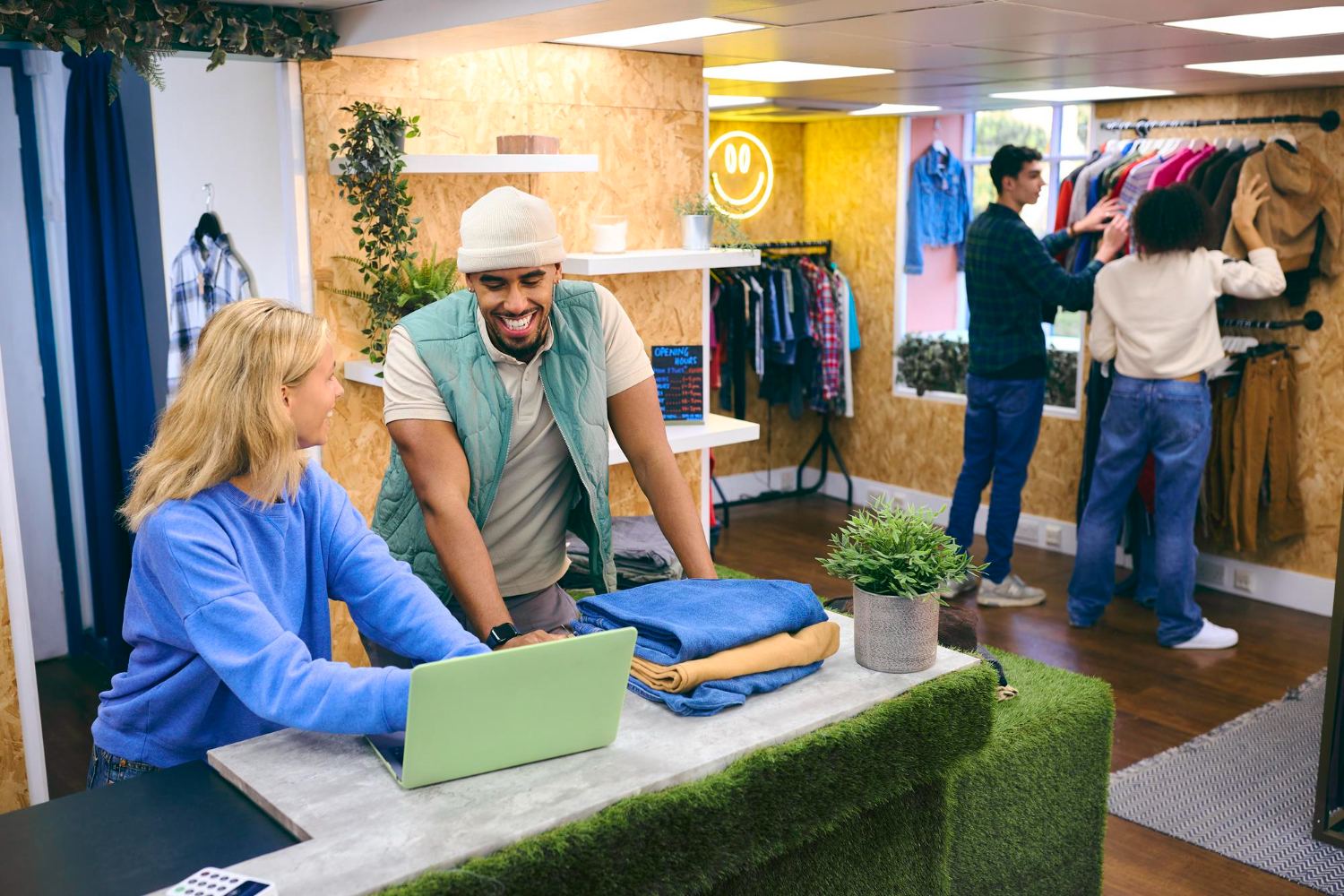
Retail brands that treat pop-ups like experiments, not guesses, get better results. When you mix real foot-traffic data, smart POS planning, and tight inventory control, your temporary store starts to feel a lot more like a reliable channel and a lot less like a gamble.
At US Modular Group East, Inc., we design and install modular retail buildings that help brands test ideas fast across the Mid-Atlantic. In this article, we will walk through how to pick locations, size your units, and plan logistics based on the data you already have. This same approach works for short pilots, back-to-school activations, fall festivals, and holiday surges.
Turn Foot Traffic Into Profits with Smarter Pop-Ups
Modern pop-up retail is not just a table and a banner anymore. Brands are rolling out complete, branded spaces in parking lots, on campuses, at festivals, and next to existing stores. The goal is to show up where customers already are, with less risk and more speed.
Modular retail buildings make that possible. Because they are prefabricated, they can be:
- Deployed quickly in different environments
- Reused across seasons and markets
- Reconfigured as your concept changes
The real power comes when you stop guessing and start using data. Foot-traffic patterns tell you where to go. POS needs shape your layout and tech. Inventory flows decide how much space you need in front and in back. Put those together, and you get higher ROI, faster launches, and a smoother experience for shoppers and staff.
Using Foot-Traffic Data to Select High-Impact Sites
Good locations are not just busy, they are busy with the right people at the right times. Before you commit a modular unit, focus on a few key traffic indicators:
- Volume by hour and day
- Dwell time in the area, not just pass-through counts
- Path patterns, the way people walk and where they slow down
- Seasonality and event spikes, like beach season, college move-in, or game days
You can get these insights from mobile data providers, property owners, Wi-Fi analytics, or your own loyalty and app data.
From there, build a simple scoring model that weighs:
- Traffic quality and brand fit
- Visibility and sightlines for signage
- Nearby competition and complementary tenants
- Access to utilities, parking, and delivery routes
- Likely permitting path for a modular structure
The beauty of modular retail buildings is that you can match the form to the flow. A small kiosk facing the heaviest stream of traffic might be right in one spot, while a multi-module boutique with corner entries and long display walls works better in a plaza.
Around the Mid-Atlantic, local timing really matters. Tourist towns, mountain areas, college campuses, sports venues, and downtowns all have their own calendars. When you know those patterns, you can line up your modular deployments so each site catches its natural peak.
Right-Sizing Modular Retail Buildings for Your Concept
The best way to size a pop-up is to start with the experience you want to create, not a random square footage target.
Ask simple questions:
- Is this a browse-and-discover shop, with room to wander?
- A quick grab-and-go stop, focused on speed?
- An appointment-based space for demos, fittings, or services?
That vision tells you how many modules you need, how wide the aisles should be, and how complex the layout should get.
From there, break the interior into clear programs:
- Merchandising, racks, shelves, and feature displays
- Back-of-house storage for back-stock and supplies
- Fitting or demo areas if your concept needs them
- Staff workspace and a small command center for POS and tech
- Accessibility features, and restrooms when required by use and local rules
Then, bring POS data into the picture. Average basket size, dwell time, and peak concurrency all shape the plan. If you see long lines in similar stores, you may need a wider queue area, extra POS stations, or more back stock near the floor so staff can restock without blocking traffic.
One of the biggest advantages of modular retail buildings is that you can flex. You can add a module for peak season, remove one when things slow down, or move a unit from a slow site to a hotter one, all while keeping your core design consistent.
Designing POS and Tech Infrastructure for Pop-up Agility
Before you pick finishes or fixtures, nail down your POS ecosystem. Decide:
- Payment methods you will accept, like tap-to-pay, mobile wallets, and buy-now-pay-later
- Omnichannel features such as buy online, pick up in-store, returns, or ship-from-store
- Connectivity needs for cloud POS, loyalty, and inventory systems
Once you know the tech stack, it becomes easier to design the building. Modular walls and ceilings can be planned with raceways and chases for:
- Power circuits for POS, lighting, and HVAC or supplemental systems
- Data cabling where needed
- Cellular boosters and Wi-Fi access points
- Security systems and cameras
- Digital signage and menu boards
Furniture and fixtures should not be afterthoughts. Counters, kiosks, and wall bays can be pre-designed with:
- Built-in cable management
- Mounts for screens and tablet stands
- Lockable drawers and printer shelves
- Hidden charging zones for devices
Peak season is the real test. Design power and connectivity for your busiest day, not your average day. That can mean extra circuits, battery backups for POS, and a secondary data connection, so a network hiccup does not stop sales.
Aligning Inventory Flows with Modular Logistics
Pop-ups work best when the right products are in the right place at the right time. Start with forecasting that blends:
- Historical sales from similar formats
- Local demographics around each site
- Event and school calendars
- Weather and tourism patterns
Because modular units have tight back-of-house space, storage planning is key. Interior layouts can include:
- Adjustable storage walls
- Under-counter cabinets and drawers
- Adjacent storage pods or auxiliary modules for bulky items
Replenishment should match sales velocity. Location clusters, regular delivery windows, and carrier rules will shape how often you restock. Too frequent, and you choke your team with boxes; too rare, and you miss sales.
Also plan for reverse logistics, like:
- Handling returns and refurb or resale workflows
- Pulling back seasonal items without clogging the floor
- Rotating assortments between locations on your circuit
Modular buildings help here, because they can include wide doors, loading access, and clear staging zones that make load-in and load-out faster and safer.
Planning Deployment, Transport, and On-Site Setup
A strong pop-up plan starts long before the truck rolls. A simple pre-deployment checklist usually covers:
- Permits and inspections with local authorities
- Coordination with utilities for power, water, and data where needed
- Site prep, such as pads, leveling, and lighting
- Approvals with landlords or campuses for placement and dates
Transport planning is part art and part puzzle. Unit dimensions, height limits, bridge clearances, and local route rules all matter, especially in tight downtowns or older towns. You also need clear staging areas and crane access for set and reset days.
A rapid-installation playbook might flow like this:
- Delivery and placement of the modular unit
- Anchoring and weather sealing
- Utility hook-ups and basic systems check
- Interior fit-out and fixture install
- Tech activation and POS testing
- Merchandising and final visual checks
- Staff walk-through and training in the actual space
Because modular retail buildings are reusable, many brands create a year-round circuit. For example, the same unit might move from a beach area in summer, to a campus zone in fall, then to an urban core for the holiday rush. Standardizing modules and procedures means each move gets easier over time.
Launch Smarter Pop-Ups with a Modular Game Plan
When you combine foot-traffic data, right-sized layouts, thoughtful POS design, and inventory logistics, modular pop-ups become repeatable engines, not one-time bets. Each deployment teaches you something you can feed into the next.
A simple roadmap is to start with one pilot market, set your data sources, choose one or two standard modular footprints, then measure everything. Over a few cycles, your circuit, layouts, and operations get sharper and faster.
At US Modular Group East, Inc., we focus on designing, delivering, and installing turnkey modular buildings that support this kind of data-driven retail approach across the Mid-Atlantic. By aligning building design with your location strategy, tech stack, and inventory plan, you can bring new concepts to life quickly, learn from real customers, and be ready to move where the demand is next.
Get Started With Your Project Today
If you are ready to explore how our modular retail buildings can accelerate your timeline and control project costs, we are here to help you plan the next step. At US Modular Group East, Inc., we work closely with you to understand your space, branding, and performance requirements before recommending a solution. Share your project details and goals so we can outline options, budgets, and realistic schedules. To start the conversation, simply contact us and our team will follow up with tailored recommendations.