

Avoid Costly Delays with Smarter Modular Installs
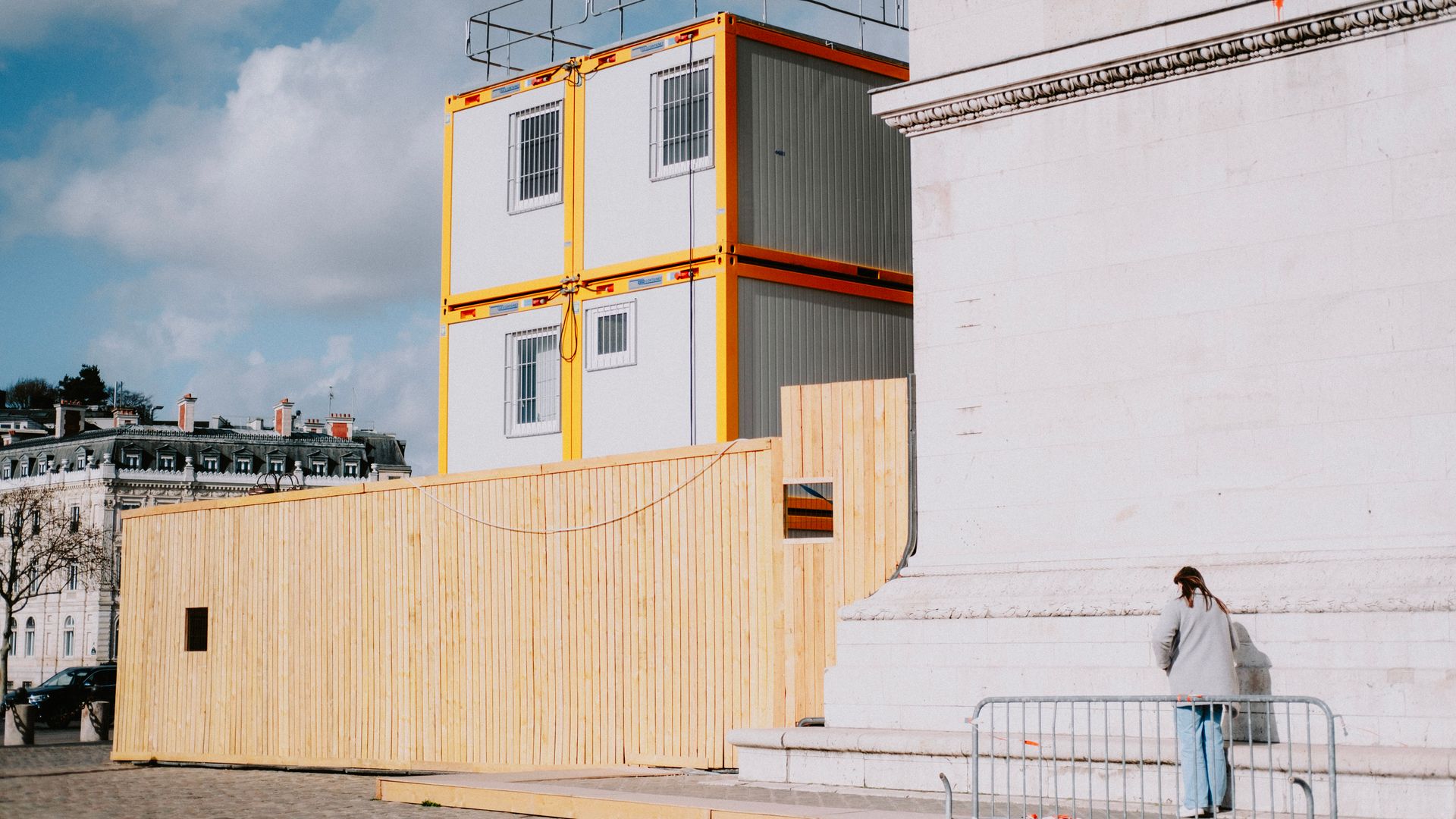
Modular building installation can be a fast and flexible way to add space for schools, healthcare, government, and businesses. The building sections are built off-site, then delivered and installed on your property. When it is planned well, you get new classrooms, offices, or clinics ready to use in a short time.
The problem is that even small mistakes during planning or installation can grow into big headaches. Missed inspections, poor site planning, or forgotten utility details can lead to schedule slips, budget problems, and compliance issues. For summer and early fall projects, especially school campuses and offices that must open on a set date, these mistakes can throw off the new academic year or key business periods.
A smart way to avoid this is to work with an experienced modular team that understands design, permitting, installation, and inspections as one connected process. That is how modular space becomes a predictable solution instead of a stressful race to the finish.
Common Site and Access Mistakes That Slow Projects
A modular project starts long before the first truck shows up. A careful look at the site is one of the most important steps, yet it is often rushed or skipped. In Middle River and across the Mid-Atlantic, conditions can change quickly from one property to the next.
Key site items that need early attention include:
- Soil conditions and bearing capacity
- Drainage and standing water risks
- Slopes, retaining walls, and grades
- Existing utilities, manholes, and underground lines
- Nearby buildings, trees, and parking areas
When these things are not reviewed in detail, problems show up on install day. Common oversights include no clear route for delivery trucks, cranes blocked by parked cars or tight corners, and overhead power lines that limit safe lifting. On busy school or healthcare campuses, even a small access mistake can stop work for days.
Geotechnical assessments and site surveys help you understand the ground under your modular building. Coordination with local utility providers reduces the chance of cutting into unknown lines or needing last-minute reroutes. With a thoughtful site review, you can plan grading, stone or concrete pads, ramps, and foundations that support long-term performance instead of patchwork fixes later.
Why Codes, Permits, and Compliance Still Matter
Some people think factory-built means everything is already approved. That is one of the biggest mistakes with modular building installation in Middle River and across the region. Modular buildings must still meet the same local codes as any other structure.
That includes:
- Local building and zoning rules
- Fire and life-safety standards
- ADA accessibility and clear routes
- Egress requirements for doors, stairs, and corridors
Typical errors happen when teams assume the plant approvals cover every local rule. If exit doors do not line up with site conditions, if fire-rated walls land in the wrong place, or if ramps and entrances are not accessible, local inspectors can stop progress. With multiple jurisdictions in the Mid-Atlantic, each with its own review timelines and paperwork, missing one step can hit your schedule at the worst time.
A coordinated approach to permitting and inspections makes a big difference. That means checking zoning early, planning egress and fire protection with local code officials, and lining up required inspections before crews are on-site. When code compliance is part of the design conversation from day one, the project is far less likely to get stuck waiting for approvals.
Coordination with Utilities and Technology
A modular building is only ready for use when the power is on, the water is flowing, and the HVAC is running. Poor planning for these connections is another common source of delays, especially for time-sensitive school and healthcare spaces.
Some of the most frequent missteps include:
- Underestimating electrical loads for equipment and technology
- Forgetting data cabling routes or Wi-Fi coverage needs
- Misaligning mechanical penetrations and utility stubs in the field
- Leaving security systems, access control, and cameras as last-minute add-ons
The best results happen when utility planning and building design move together. Early talks with IT teams, facility managers, and service providers help make sure the building supports modern teaching tools, telehealth, building security, and hybrid work setups.
A turnkey approach ties utility planning to the site layout and the floor plan. That way, panel locations, telecom closets, and HVAC needs are clear before the first module arrives, which cuts down rework and surprise change orders near the end of the project.
Seasonal Timing, Weather, and Schedule Risks
Late spring and summer are often the busiest times for modular building installation in Middle River, especially for schools, universities, and businesses that want to be ready for fall. The window feels long, but it can close fast if seasonal risks are not part of the schedule.
Seasonal mistakes often include:
- Planning crane work without allowing for summer storms or wind delays
- Scheduling foundations or inspections during holiday weeks when crews are limited
- Forgetting lead times for grading, utility work, and third-party inspections
- Underestimating how heat and humidity affect concrete curing and exterior finishes
Rain, heat, and humid conditions can slow site prep or limit safe lifting. When every step is back-to-back with no room for weather or permit delays, projects get rushed. Critical tasks like code reviews, inspections, or punch lists may be squeezed into the final days before teachers or staff move in.
A more reliable plan breaks work into stages with built-in buffers. That means aligning design approvals, permits, factory production, foundations, and set dates with local weather patterns and regulatory lead times. A realistic timeline keeps opening dates on track without pushing crews to take chances or skip important checks.
How the Right Modular Partner Protects Your Project
One more mistake many owners make is choosing a modular installer based only on the lowest bid. When that happens, key items can fall through the cracks, such as safety planning, coordination meetings, or support after move-in.
A strong modular partner should bring:
- Proven experience with education, healthcare, government, and commercial projects
- A clear project management process from design through final inspection
- A strong safety culture on active campuses and tight sites
- The ability to relocate or renovate modular buildings as needs change
Local experience also matters. Knowing how Mid-Atlantic jurisdictions handle permits, inspections, and campus logistics can save a lot of back-and-forth. A team that has handled design, installation, relocation, and renovation can help you think beyond day one and plan for how your modular space might change in the future.
When you combine solid site assessment, close attention to codes, coordinated utilities, realistic seasonal planning, and the right project partner, modular construction becomes a dependable way to add space without disrupting your school, clinic, or office operations.
Get Started With Your Project Today
If you are ready to move forward with a faster, more flexible building solution, our team at US Modular Group East, Inc. is here to help. Learn how our modular building installation in Middle River can keep your project on schedule and on budget. We will walk you through planning, design, and installation so your space is ready when you need it. Have specific requirements or a tight deadline in mind? Simply contact us and we will help you map out the next steps.