

Introduction
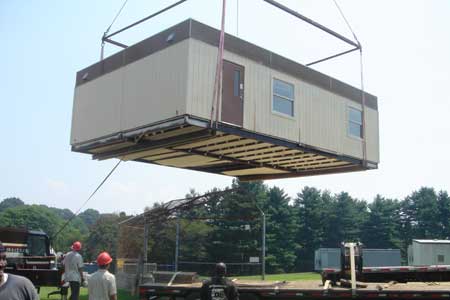
Moving a modular building from one location to another may sound simple at first, but it takes thoughtful planning and expert coordination to get it right. Whether it’s a school classroom, medical office, or retail space, each structure comes with its own set of needs, and relocating it requires a careful process. The goal is to get the building to its new site without disruptions, delays, or damage—something that definitely takes more than just loading it onto a truck.
Relocating a modular building in Middle River isn’t just about transportation. A lot needs to happen before and after the move to make sure the setup functions well in its new home. From checking how the unit was built to looking at how utilities will connect at the new site, each stage calls for attention. With the right approach, the move can be smooth, on schedule, and free from headaches.
US Modular Group East, Inc. has years of experience handling these moves smoothly while reducing downtime for clients across education, healthcare, retail, and beyond.
Pre-Relocation Planning
Every successful relocation starts with a solid plan. Without it, things can quickly fall apart once the process begins. Planning ahead gives you the chance to uncover problems early and fix them before they turn into costly complications. Moving modular space means accounting for more than just transportation—it means making a detailed plan for every step, from disassembly to reassembly.
Start with a full review of the existing building. Look at how it was originally assembled and note any custom parts or layout quirks. Check age, materials, structural features, and size. This will help you understand how much time and effort will go into taking it apart and putting it back together.
During planning, review the new location carefully. Ask yourself:
- Will the foundation at the new site need adjustments?
- Are there any zoning or accessibility codes to meet?
- Is there enough space for the building and potential expansions?
- Can trucks and cranes safely access the site?
It also helps to speak with everyone involved early on. That means managers, staff, utility providers, transport crews, and construction teams. Make sure each one understands the schedule, their tasks, and how one delay can affect the whole project. For example, if power hookups aren’t ready on time, the team might be forced to wait before finishing the setup.
You’ll also need a place to store modular components safely if there’s a waiting period between the building’s pickup and installation. Any unused parts need to be secure to prevent damage or mix-ups. Keeping everything clearly labeled during disassembly speeds up the rebuild and keeps surprises to a minimum.
Ensuring Safe Transport
Once your plan is in place, it’s time to break down the unit for moving. This is one of the biggest parts of the process that determines how smooth the rebuild will be.
Begin by separating each module carefully. Remove or protect windows, trim, panels, or surfaces that can be damaged during the move. Disconnect pipes, wires, and cables with care, and label every individual part to make reassembly easier down the line. Small parts should be packed in secure containers with tags that indicate their original locations.
For a smoother move, follow these tips:
– Label each part to match rooms or sections.
– Wrap breakable items with padding and waterproof covers.
– Arrange parts so the ones needed first are easiest to reach.
When choosing a moving crew, pick one experienced with modular buildings. These projects require special equipment for lifting and transport. The crew must be able to handle weight distribution and road conditions, including clearance issues and tight turns. Mapping routes ahead of time lets you avoid delays caused by road size, bridge limits, or access rules.
Safety is about more than just the building—it’s about the team too. Have extra hands nearby during loading and unloading. Keep your eye on the weather forecast as well. If a storm rolls in or winds pick up, don’t be afraid to push the timeline. It’s better to be slow and safe than damage the structure or risk injury.
Site Preparation For New Location
Before anything arrives at your new location in Middle River, the site must be ready. Cutting corners here almost always leads to bigger problems later. A prepared site allows for smooth placement and faster reoccupation.
Start by inspecting the area. Look for:
– Uneven or sloped ground that needs leveling
– Water drainage issues that could affect the foundation
– Overhead wires, trees, or other obstacles blocking truck paths
Once that’s done, pour or install the foundation. Some modular designs use footers, while others require slabs. Make sure it lines up with the original building specs. If it doesn’t, it could prevent the modules from locking together or cause costly adjustments. Carefully measured foundations prevent all sorts of issues later.
Next, utilities should be set up to match the planned layout. That includes water, sewer, electrical lines, and HVAC connections. Any delay in installing these services can stall your relocation at the worst possible time. To avoid this, schedule inspections ahead of time and make sure all permit applications are filed.
One example of organized site prep took place at a Maryland school. With the pad leveled and wiring mapped out days before delivery, the team was able to get the modular unit installed and operational in just a few days. Time wasted up front could have added weeks.
Reassembly And Final Adjustments
Once parts arrive on site, your team can begin reassembling the building. This process depends on following the original breakdown closely and placing each module in the correct spot.
Begin by positioning the modules onto the new foundation. Double-check that everything lines up with doors, walkways, and pipe or cable entry points. If anything is off, adjustments must be handled right away. Reassembly usually works best by reversing the original disassembly, starting with the structural core and then working outward.
Joint areas—walls, ceilings, flooring—should be firmly sealed to prevent leaks and heat loss. HVAC, plumbing, and electric lines need to be connected and tested during this step. Make sure all systems, such as alarms, lighting, and data access, are installed correctly and working as planned.
Finish reassembly with detail work. This includes windows, stairs, ramps, skirting, and trim. After everything is fully installed, run a series of tests. See how doors open and close, check the lighting, and test HVAC flow rates. If something feels off, fix it now before it becomes a service call later. It’s a good idea to walk through the building with a checklist and repair cosmetic damage like dents or scuffed floors from transport before the space is used.
Making a Fresh Start in Your New Space
Relocating a modular building gives you the chance to use space more flexibly. Whether expanding your capacity, completing a phase of construction, or adapting to changes in staff needs, modular solutions keep your setup adaptable.
Getting every step right—planning, moving, assembling—makes the whole change feel exciting instead of stressful. Experienced help reduces guesswork and keeps headaches low.
From the first checklist to the last cable, relocation projects run better when managed by a team that knows what to expect. If the move is something you’re thinking about, talk with professionals like US Modular Group East, Inc. for less downtime and better results.
Planning a move to a new site? US Modular Group East, Inc. is here to make the process simple and stress-free. Learn how our modular building relocation services can help you get back up and running quickly with fewer delays and smoother coordination from start to finish.