

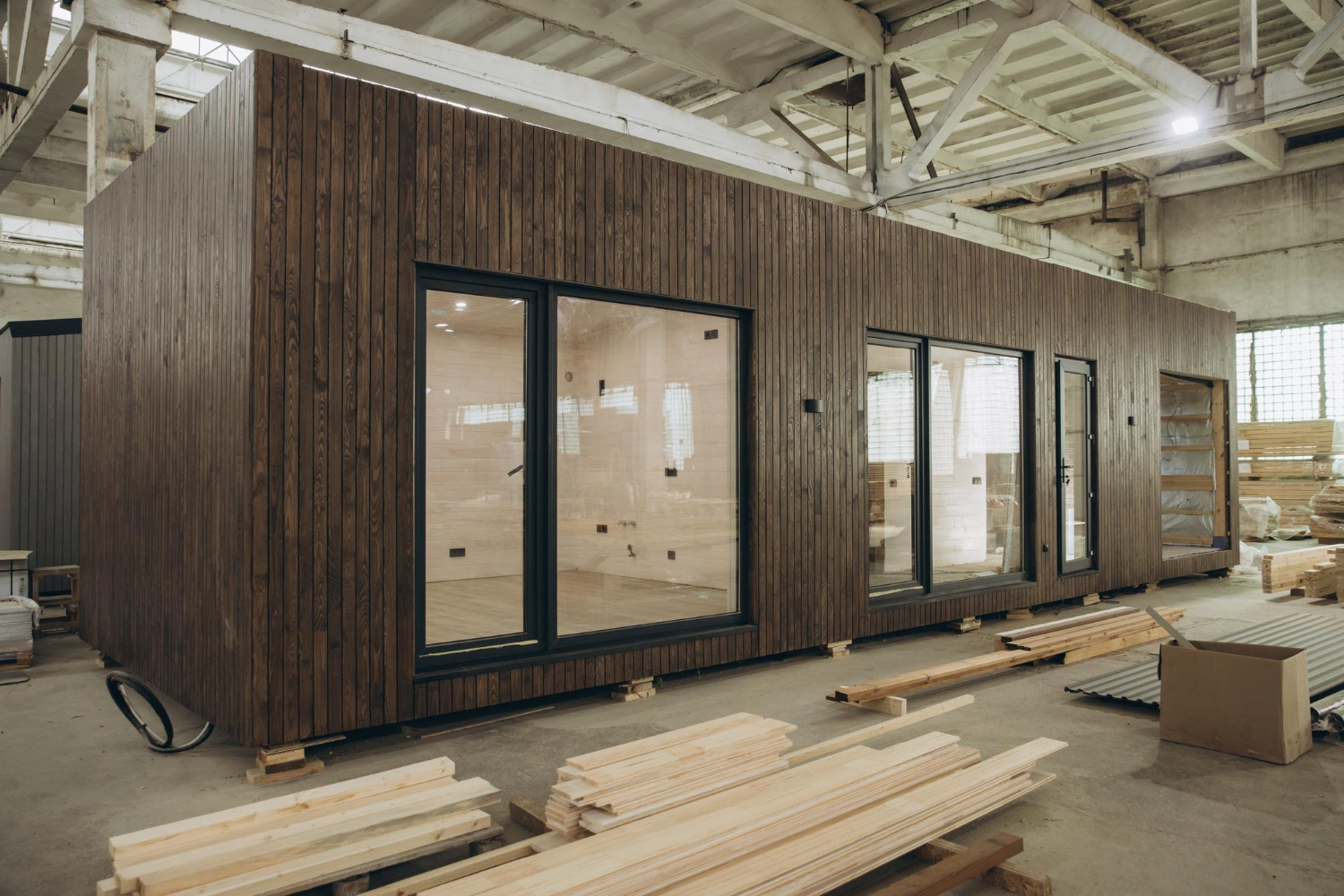
Choose the Smartest Path for Your Modular Office
When a modular office no longer fits the way you work, you really only have two choices. You can move the building to a better site, or you can renovate it where it sits. Both paths can work well if they match your needs, timing, and long-term plans.
Many schools, healthcare providers, government agencies, and businesses across the Mid-Atlantic hit this crossroads right before or during the busy spring and summer building season. Modular buildings are long-term assets, not temporary boxes you throw away. Deciding whether to relocate or renovate affects your budget, your schedule, and how flexible you will be in the future.
In this article, we share a simple decision framework that looks at strategic goals first, then compares costs, downtime, permits, and site constraints. Our team at US Modular Group East, Inc. works across the Mid-Atlantic, where weather windows, permit cycles, and school calendars all shape the best plan, so we will draw on that experience as we walk through each step.
Start with Your Strategic Drivers, Not Just Cost
The smartest first question is not “What is cheaper?” It is “What are we trying to solve?” Cost matters, but it should serve your bigger picture, not drive it.
Start by getting clear on your main goals. For example, are you dealing with:
- Short-term overcrowding on a school campus
- A permanent expansion of clinical or office space
- A plan to consolidate multiple sites into one location
- A shift in service areas or attendance zones
Your time horizon matters too. If you expect to use the space for only 1 to 3 more years, relocation might be best, especially if you think the program will move again or the site will change. If you expect to stay 5 to 10 years or more, renovating in place to match long-term needs may be the stronger move.
Different stakeholders will see this choice in different ways:
- School boards may focus on student continuity and community expectations
- Clinical teams may focus on patient flow, privacy, and infection control
- Government groups may focus on public accountability and code compliance
- Corporate leaders may care most about business productivity and staff experience
Pull these views together before you decide. Once you know what matters most, you can weigh relocation and renovation against the same set of goals.
Cost and Downtime Tradeoffs You Cannot Ignore
Relocation and renovation each come with their own cost categories. The mix is different, but both paths have line items that need attention.
For modular building relocation services, typical direct costs often include:
- Transportation of modules
- Crane services for lifting and setting
- New foundations or piers at the new site
- Utility reconnection and tie-ins
If your modular building is fairly new and in good shape, relocation services can be very cost-effective, because you are reusing a structure that still has plenty of life in it.
For renovation in place, you are more likely to see costs tied to:
- Interior reconfigurations, new walls, and finishes
- Systems upgrades for HVAC, electrical, or data
- Exterior updates, steps, ramps, or siding repairs
- Code-related adjustments for life safety or accessibility
Downtime is just as important as dollars. Renovating in place can allow you to keep working if you phase the work in stages, use night or weekend shifts, or bring in temporary swing space. This is common for schools and healthcare sites that cannot fully shut down.
Relocation changes the pattern. Activity may shift away from a tight or crowded site, which can reduce daily disruption. But there is often a more intense downtime window when the building is disconnected, moved, and reconnected at the new location.
Hidden and seasonal costs often show up later if they are not planned early, such as:
- Temporary modular units to cover space needs during work
- Overtime labor to finish during school breaks or holidays
- Site restoration at the old site or around a renovated building
Many organizations try to plan major steps in the spring and summer, when the weather is better and school is out, but that often means decisions and funding approvals need to be locked in months ahead.
Permits, Codes, and Approvals That Shape Your Options
In the Mid-Atlantic, each county and city can treat modular projects a little differently. A change that seems simple on paper can require deeper review once you talk to local officials.
Renovation in place may trigger code upgrades. For example, interior changes may bring in new requirements for:
- Accessibility requirements and accessible routes
- Fire ratings, alarms, and egress paths
- Mechanical or electrical system updates
Relocation often introduces a different set of approvals, such as:
- New site plans or plot plans
- Zoning checks for use, setbacks, and height
- Stormwater or grading reviews
Permit timelines can vary, but they always affect your schedule. School systems and public agencies often need to coordinate:
- Building department reviews
- School board or council approvals
- Funding releases and purchasing steps
Since many groups want the bulk of the work done during summer breaks or other slow periods, decisions about relocation or renovation usually need to be made well in advance. Working with a modular partner that understands regional codes, education and healthcare rules, and public procurement can help reduce the chance of inspection delays, rework, or late design changes.
Site Constraints, Logistics, and Future Flexibility
Your site can either support a smooth project or fight you at every step. Understanding real-world limits on the ground is just as important as any plan on paper.
Key physical questions to ask include:
- Is there enough access for trucks and cranes to move the modules?
- Are there overhead wires, trees, or narrow streets that limit routes?
- Are there underground utilities or tight urban layouts that raise risk or cost?
- Could in-place renovation create safety or access issues for students, patients, or staff?
Campus master planning should also guide your choice. If your current site is likely to become a permanent building, parking lot, or new play field, it may make sense to relocate your modular office to a different part of the campus or a different property. This can preserve the value of the building and avoid paying later for demolition.
Modular offices are naturally flexible assets. Renovation can improve layouts, technology access, and energy performance. Relocation can support:
- Program growth at a new or satellite location
- A shift closer to the people you serve
- Temporary or long-term disaster recovery space
A clear view of site constraints and long-term plans helps you choose the path that best protects that flexibility.
Turn Your Decision Into a Phased, Low-Risk Plan
Once you understand your goals, costs, permits, and site limits, the next step is to turn all of that into a clear plan that feels manageable.
Many teams find it helpful to build a simple decision matrix. On one side, list relocation. On the other side, list renovation. For each, rate:
- Projected cost range
- Expected downtime and disruption
- Permitting and approval complexity
- Site and logistics risk
- Fit with long-term goals
Give each factor a weight based on how important it is to your organization. This makes tradeoffs visible, instead of letting the loudest voice in the room decide.
Timing is just as important as the path you choose. Try to align key phases of work with:
- Summer breaks and holidays for schools
- Known slow periods or planned outages for healthcare and offices
- Seasons with better weather for site work and transport
Early engagement with a modular specialist gives enough time for design, approvals, and scheduling of trade partners and transport crews.
At US Modular Group East, Inc., we help organizations across the Mid-Atlantic evaluate whether to upgrade existing modular offices, use modular building relocation services to serve a new location, or plan a mix of both over time. A thoughtful, phased plan can protect your budget, reduce risk, and keep your people working with as little disruption as possible.
Get Started With Your Project Today
If you are planning a move, expansion, or reconfiguration, US Modular Group East, Inc. is ready to help you streamline the process with our expert modular building relocation services. We work closely with you to understand your timeline, budget, and operational needs so your relocation is efficient and low-risk. To discuss your project and get a tailored plan, contact us today.