

Introduction
Modular buildings are changing the way construction happens. They offer flexibility and save time, and they can be a smart option for many industries. But just like traditional builds, putting modular structures together still comes with a few bumps in the road. If you’re planning a modular building installation in Middle River, it’s helpful to be ready for the common challenges that show up during planning and setup.
From site conditions to coordinating different teams and schedules, there’s a lot going on. Even though each project is different, some hurdles tend to repeat. Knowing what to expect makes it easier to build a realistic timeline and avoid delays. The good news is that most of these issues can be avoided with early planning and good communication.
Planning And Design
Start with the basics. Where are you placing the building, and how is the land shaping your options? Site assessment in modular projects matters just as much as it does for any other construction type. If the ground isn’t level or if access is tricky, it could delay your timeline or limit the type of prefab units you can use. In Middle River, where weather and coastal elements might come into play, it’s smart to think about drainage, elevation, and local environment regulations early in the process.
Design challenges also tend to surface during the early planning stage. Modular buildings are built off-site, which means all details need to be finalized before construction begins. Unlike stick-built methods where designs can change during the project, modular designs need to be locked in from the start. If measurements are off or if utility connections aren’t planned out properly, it can lead to serious delays when the modules arrive.
To get ahead of potential design and planning issues:
1. Have a site engineer visit the property before starting any plans.
2. Work with designers who understand modular building techniques and limitations.
3. Finalize mechanical, electrical, and plumbing placements in advance.
4. Check local rules to make sure your design meets requirements in Middle River.
5. Double-check access paths for equipment and module delivery.
The smoother your planning phase goes, the better your installation will be. Since the construction stage moves quickly with modular projects, time spent in planning helps things go right the first time.
Coordination And Logistics
Once your design is set, the next big task is getting everything to the site and lining up every team involved. Logistics can make or break your installation. Delivering oversized or heavy modules through smaller streets may require route changes, special permits, or help from local authorities like police escorts.
Late deliveries, trade overlap, and poor communication can easily stall your job. There might be multiple teams involved — from the modular manufacturers and transporters to crane operators and site installers — all working from different timelines and scopes. If one group gets off track, it can disrupt everything that follows.
Here are a few ways to reduce common bottlenecks:
1. Create a shared schedule so every team knows when they’re working and who comes before them.
2. Assign a single point of contact to manage logistics, transportation, and timing.
3. Factor in weather delays, especially during summer storm season in Maryland.
4. Stagger deliveries to arrive on time, not too early and not too late.
Smooth logistics take planning and communication. Even on tight job sites, a well-organized schedule can keep your modular building installation in Middle River moving forward without trouble.
On-Site Assembly And Integration
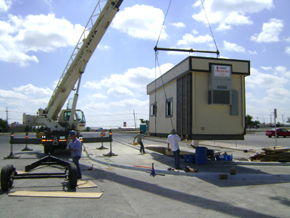
Once everything arrives, it’s time to assemble. This might sound like a straightforward task — lift the modules into place and connect them — but this is often when delays pop up. From misaligned modules and supply hiccups to soil conditions and bad weather, things can go wrong fast if crews aren’t on the same page.
Even though the modules come pre-assembled from the factory, they still need to be aligned perfectly. If your foundation isn’t level or if rain delays your crane schedule, you risk creating long setbacks. These modules are often pre-wired and pre-plumbed, so misalignment can impact HVAC connections, electrical wiring, and rooftop finishes.
Tips to help your on-site assembly go smoothly:
1. Confirm all measurements before placing the first module.
2. Prepare backup plans in case delivery or weather-related delays happen.
3. Use skilled crew members to guide the crane operator during installation.
4. Inspect work step-by-step rather than waiting until everything is in place.
A good example of careful planning comes from a school in the area that installed modular classrooms one summer. Heavy rain turned the site into a mud pit on installation day. Instead of rushing and risking issues, the crew set temporary supports and pushed the install by two days. That simple pivot saved them from more serious problems down the line.
Taking your time to correct small issues right away helps avoid bigger setbacks later.
Compliance And Inspection
Getting inspection approvals is a full part of the job when installing modular buildings. Just because most of the structure is built off-site doesn’t mean you can skip code checks. Every city and county in Maryland can have slightly different interpretations of the rules. Planning for these details in advance helps avoid expensive changes later on.
Common areas that are often missed include:
1. Fire code rules for corridor spacing and emergency exits.
2. Property line setbacks or local stormwater management policies.
3. ADA compliance for door widths and ramp access.
4. Proper tags and labels for prebuilt units.
To keep things moving, it helps to loop in the local building inspector ahead of time. Instead of waiting until something fails inspection, involve them during the design or early planning stage. Most changes are easier to handle on paper than during construction.
Have your paperwork ready and easy to review, including floorplans, specs, and required certifications. Being organized can expedite approvals and prevent re-dos. This is especially important if your building will serve the public, such as a school, medical site, or office building.
Making Your Installation Process Easier
There’s no replacement for being prepared. Most issues during a modular building installation don’t come from bad luck. They come from something missed early — whether in the design phase, coordinate steps, or rule compliance. Taking the time up front to review plans, build a team calendar, prep the site, and talk with inspectors can make everything go smoother once construction begins.
Putting the pieces together might look easy on paper, but real success comes from the decisions made before the first delivery truck rolls in. Good teamwork, early checks, and a flexible schedule all play a big part in staying on time and within budget.
If you’re planning a modular building installation, be ready for challenges — but also know they’re avoidable with the right help and preparation. When safety, timing, and project quality all matter, it pays to have experienced people on your side.
Getting ahead of common building challenges starts with the right support. US Modular Group East, Inc. offers the knowledge and experience you need for a successful project from start to finish. Learn how we can help streamline your next modular building installation and make the process easier every step of the way.