

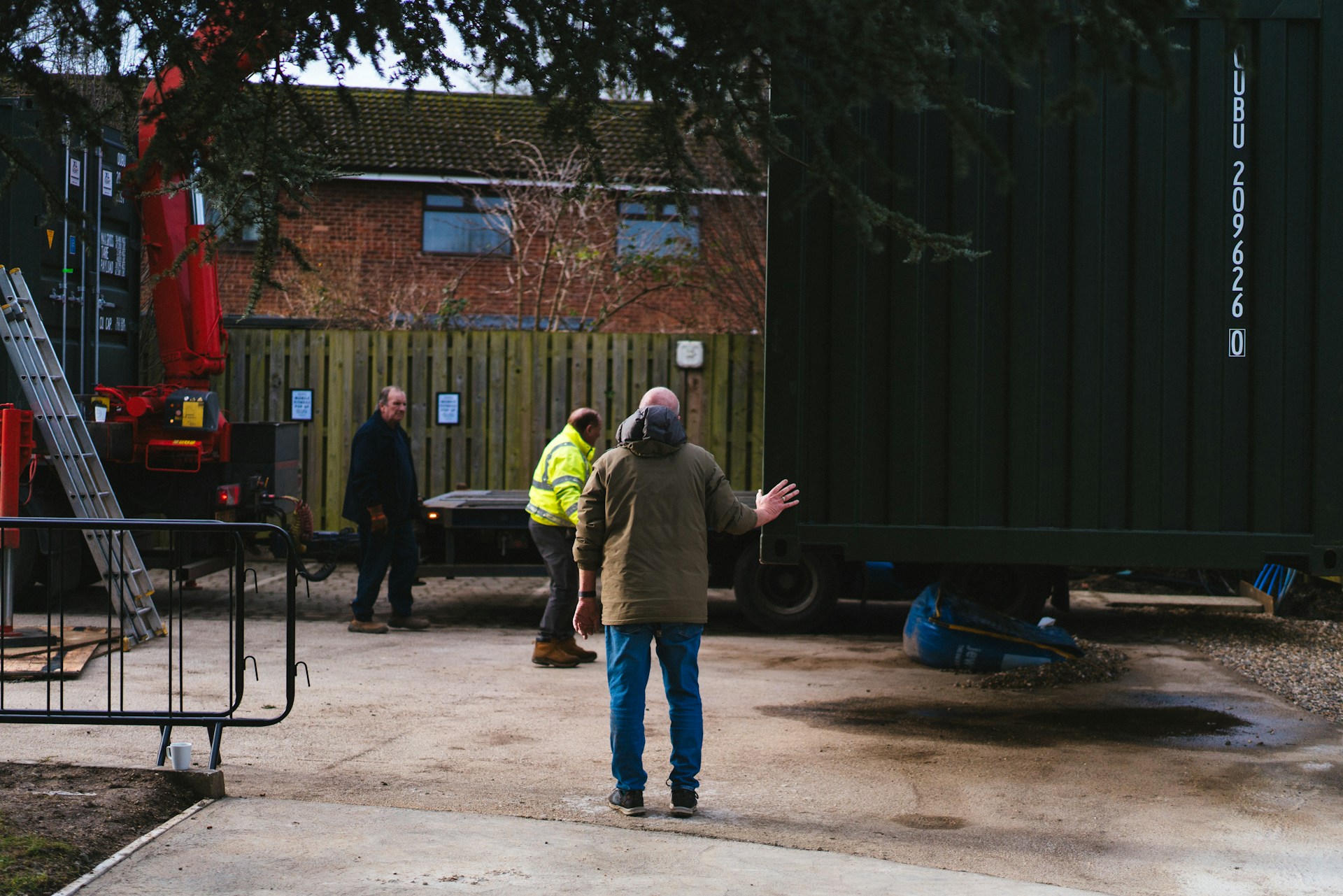
Keep Your Project Moving with Smart Modular Relocation
Moving a modular building is not as simple as picking it up and putting it down somewhere new. If permits are missed, the site is not ready, or utilities are mishandled, you can end up with downtime, surprise costs, and code problems that delay opening day. For schools, clinics, offices, and public agencies, that can mean lost days of service and a lot of stress.
Modular building relocation services cover much more than trucking. They bring together design, engineering, permitting, transport, installation, and finish work so the building is safe, code compliant, and ready for people to use. It is different from a standard construction project, and it is definitely different from a simple equipment move.
In this guide, we walk facility managers, school leaders, healthcare administrators, and public agencies through the major checkpoints: permits and codes, site prep, utilities, and realistic schedule planning. Our team at US Modular Group East, Inc., based in the Mid-Atlantic, sees how spring rain, local rules, and tight summer windows all affect timing. Good planning keeps your project moving and your building ready when you need it.
Permits, Codes, and Compliance You Must Confirm First
When you relocate a modular building, many jurisdictions treat it like a new structure at the new address. That can trigger updated requirements for building, life safety, energy, and accessibility. Even if the building met code before, you may now have to meet newer standards.
Key approvals to lock in early include:
- Zoning and land-use approvals for the new site
- Building permits and certificates of occupancy
- Utility and rights-of-way permissions for connections and transport routes
- Stormwater and erosion control approvals
- Special reviews for educational or healthcare occupancies, where life safety rules are tighter
Across the Mid-Atlantic, local ordinances can change from one town to the next. You may face:
- Coastal wind or flood zone rules that affect placement height and anchoring
- Snow load requirements that affect roofs and connections
- Historic district rules that limit exterior finishes, color, or visible ramps and stairs
Early talks with code officials can prevent surprises. An experienced modular building relocation services provider helps by coordinating drawings, answering inspector questions, and planning any required upgrades before work starts. This can keep your permit path clear and avoid re-submittals that push your schedule back.
Site Preparation Essentials at the New Location
A good relocation plan starts with a careful look at the new site. Before you schedule a crane or move a single module, you want to know the ground and access will support the work.
A pre-move site evaluation should cover:
- Soil bearing capacity and the need for geotechnical review
- Grading and drainage paths to keep water away from the foundation
- Access for trucks, cranes, and support vehicles
- Staging space for modules, materials, and tools
Once the site is evaluated, physical preparations can begin. For modular buildings, that often includes:
- Foundations or piers engineered for the specific units and layout
- Anchor and tie-down systems fit for local wind and soil conditions
- ADA-compliant ramps and entrances so everyone can access the building
- Steps, platforms, canopies, and guardrails where required
- Fire-rated separations or setbacks if the building is close to other structures
In the Mid-Atlantic, spring can bring frequent rain and soft ground. It is smart to plan excavation, concrete work, and final grading when temperatures and soil conditions are right for proper curing and stable access. Erosion control, like silt fencing or stabilized entrances, can keep mud from tracking onto public roads and help satisfy inspectors.
While the new site is being prepared, the old site also needs a plan. Demolition, removal of old foundations, or restoring the area should be timed so daily operations stay safe and organized. Clear routes for staff, students, or patients and well-marked work zones help reduce disruption.
Utility Disconnects, Reconnects, and Safety Checks
Utilities are one of the biggest risks during a relocation. If shutoffs are rushed or undocumented, you can face safety hazards or delays getting service restored.
At the existing site, the typical sequence includes:
- Safe shutoff and lockout of electrical power
- Disconnection of plumbing, water, and sewer
- Shutdown and disconnection of fire alarms and sprinklers
- Disconnection of telecom, data, and security systems
- Safe handling of gas lines and HVAC units
All of this should be handled by qualified professionals, with clear labeling and records so every line can be reconnected correctly later.
At the new location, the building may need upgraded service to match its new use. Preparations often include:
- Sizing and laying out electrical panels and circuits for current needs
- Installing or routing water and sewer connections to the correct points
- Planning data and telecom runs for phones, internet, and building systems
- Confirming fire alarm, sprinkler, and emergency lighting layouts for the new occupancy type
Before occupancy, systems should be tested and inspected. That usually means:
- Pressure-testing plumbing to check for leaks
- Verifying grounding and bonding of electrical systems
- Commissioning HVAC systems for airflow, temperature, and controls
- Coordinating fire and life safety, and building inspections for final clearance
A turnkey modular building relocation services partner manages timing with utility providers and inspectors, often reducing downtime for schools, clinics, and offices. When everyone is scheduled in the right order, the building can move from “set in place” to “ready to use” much faster.
Building a Realistic Relocation Timeline and Budget
A clear schedule keeps your team, your building users, and your inspectors aligned. Modular relocations follow a series of phases, each with its own duration.
Typical phases include:
- Preplanning and design for layout, code review, and upgrades
- Permitting and approvals from local authorities
- Site prep and foundations at the new location
- Disconnection and move logistics at the old site
- Transport and setting of the modules with cranes and crews
- Interior and exterior finish work, ramps, stairs, and connections
- Punch list items and final inspections
In the Mid-Atlantic, the calendar matters. Many schools aim for breaks or summer for major moves. Healthcare providers may plan around lower census periods. It is also wise to consider:
- Avoiding peak winter conditions where snow and ice can halt work
- Watching for coastal storm periods that could affect crane use or transport
- Adding contingency time for rain delays and inspection lead times
On the budget side, some of the biggest drivers are:
- Crane time and transport logistics
- Escorts and route surveys for oversized loads
- Temporary facilities if you need swing space during downtime
- Code-driven upgrades to meet current standards
- Site conditions like rock excavation, long utility runs, or stormwater controls
When each phase is handled by a different vendor, coordination can get complicated and costs can be harder to track. Many organizations prefer one turnkey partner who manages schedule, trades, and scope in a single plan so changes are easier to handle and the project stays on track.
Partner with Experts to Relocate with Confidence
A modular relocation touches permits, design, site work, utilities, and tight deadlines. If any one of those areas is missed, you can face delays, disruptions, and compliance issues that are much harder to fix late in the process.
US Modular Group East, Inc. provides integrated modular building relocation services for commercial, educational, government, and healthcare clients across the Mid-Atlantic. We handle design, logistics, installation, and renovation so your existing modular asset can serve you well in its new location. With early planning around permits, site prep, utilities, and timing, your project can move smoothly from the first conversation to a safe, ready-to-use building.
Get Started With Your Project Today
If you are planning a move or reconfiguration of your modular space, US Modular Group East, Inc. is ready to help you navigate every step. Explore our modular building relocation services to find the right approach for your timeline, budget, and site requirements. We will work with you to develop a practical plan that keeps your project on schedule and minimizes disruption. Have questions or need a custom quote today, please contact us.