

Choosing modular building services can feel like a big decision, especially when time, space, and needs come together all at once. Whether you’re part of a school, hospital, office team, or planning a new retail spot, getting the space you need quickly and easily makes a huge difference. Modular spaces can be a strong fit for these moments.
When things change fast, like during mid-winter when projects can slow down because of weather, having the right plan matters more than ever. The best way to keep everything moving is to find a service that matches your goals without adding delays or confusion. Here are some helpful ways to pick modular building services that make sense for your project.
Understanding Your Building Needs
Every space comes with its own list of must-haves. Some people need more room for students in a growing school, others are setting up temporary medical clinics. Maybe you are looking to add onto an office or need a break area while your usual space gets fixed. Knowing what you will use the space for is the first step.
Think about how long you will need it. A space that is only needed for a few months might be planned differently than one you will use for multiple years. Knowing both your short-term and long-term needs right away can help shape the type of building that works best for you.
Ask yourself these questions:
- Will this space need to be moved later?
- Will people need special features, such as ramps or lots of natural light?
- Is this for a school, commercial space, clinic, or something else?
Start with a clear picture, and the rest falls into place more easily.
What to Look for in a Modular Services Team
Not every service is the same. If you are counting on a modular space to fill an important gap, you will want to work with people who know how these kinds of projects really work, not just the parts you can see, but the things behind the scenes as well.
It helps to have support from the start. That includes help with planning, figuring out what permits you need, helping design what you are building, and getting everything set up at the site. Having just one group handle all these parts helps avoid mix-ups. In many projects, the most helpful partners are the ones that provide a single point of contact along with design support, project development, manufacturing, site preparation, installation, and even relocation or refurbishment services, so you are not trying to coordinate several different vendors on your own.
Another thing that makes a big difference is how clearly and often the team communicates. You want someone who keeps things simple, gives clear updates, and does not leave you wondering what is coming next. That kind of steady communication makes everything go more smoothly later on.
Different Ways Modular Buildings Can Be Used
Modular buildings are more flexible than they might seem at first. They can be used in many different settings. It all depends on your needs.
You might see them used as:
- Extra classrooms when schools expand faster than expected
- Temporary office space during remodels, or a way to help a growing team settle in
- Clinic space when medical facilities need more rooms but do not want to wait for full construction
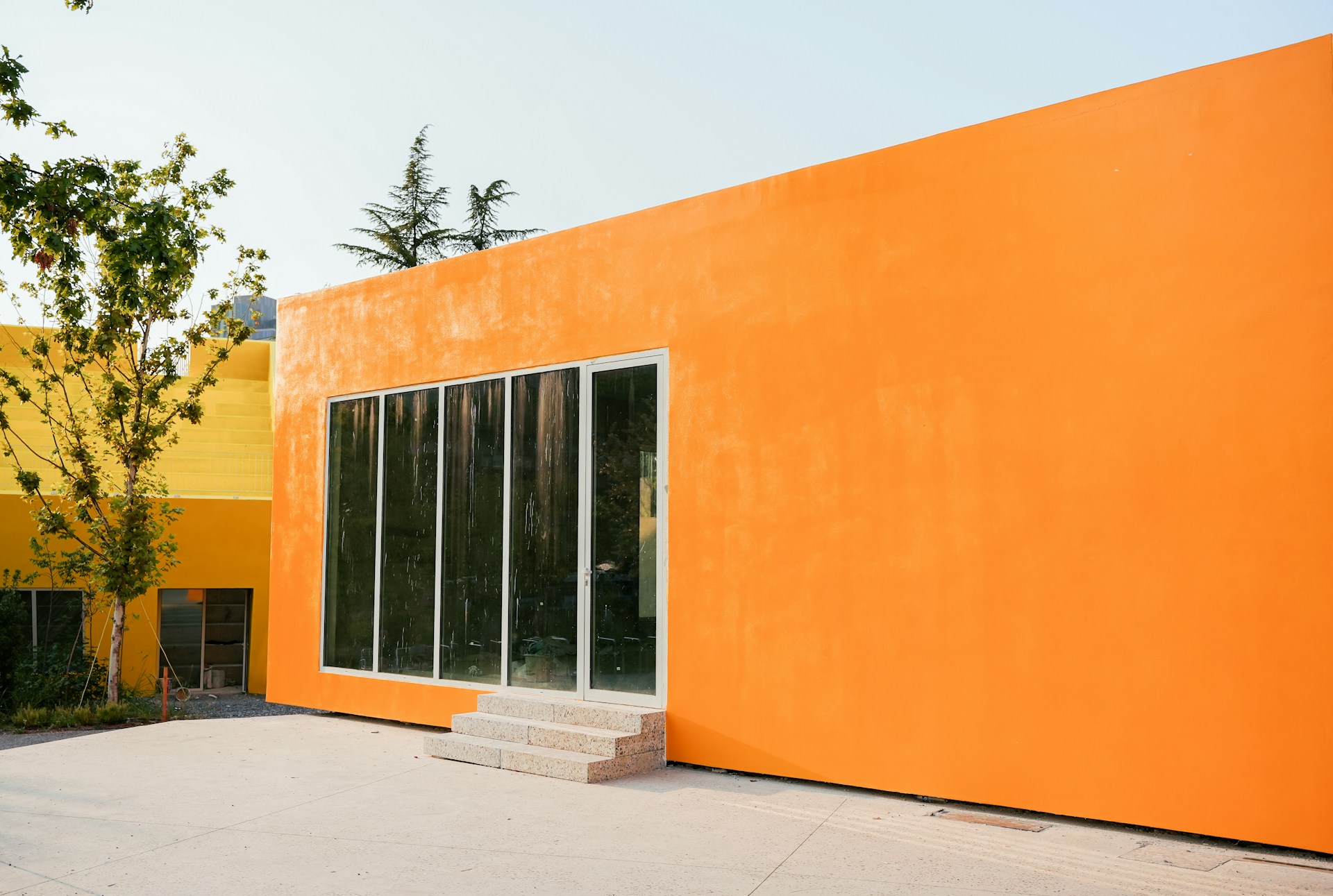
These spaces can be moved, adjusted, or even blended into the rest of a building. Just because they are modular does not mean they must look temporary. They can be built to match other buildings nearby, display company colors, or create a comfortable space that fits right in.
Preparation and Placement Tips for a Smooth Setup
One of the best things you can do to get a modular building up and running quickly is to prepare early. The more settled your site is before delivery day, the shorter the setup will take.
Keep these simple tips in mind for placement:
- Pick a spot that does not flood easily and is level
- Make sure the area is easy to reach by trucks or trailers
- Think about foot paths, lighting, and nearby power or sewer lines
Since this piece is being published in January, remember what winter brings. Frozen ground can slow setup, and shorter days might affect the crew’s work time. Planning around weather helps avoid delays or surprise issues.
Site prep does not have to be stressful. It just takes some patience, a bit of planning, and some expert advice about how your location works in different conditions.
Questions to Ask Before You Sign
Before you commit to a service, it helps to ask a few key questions. These are not just formal steps, they are how you protect your time and make sure everything goes the way you are expecting.
Here are a few questions that come up often:
- Have you done projects like this before?
- How long does delivery and setup usually take?
- What is included in the service, and what is not?
You can always ask for project photos or descriptions of similar work. That helps you see what is possible. Getting clear answers on what the service covers means you are not left to find out if electricity, stairs, or permits are included after you have already committed.
Clear questions set the stage for smooth progress and help you avoid rushed decisions.
Space That Works When You Need It Most
The right modular building can bring the space you need at the right time. Whether you are meeting a need that appeared suddenly, working around cold weather delays, or planning ahead for spring, modular buildings offer flexible solutions that fit into the everyday rhythm of your team.
Finding modular building services that match your goals turns what could seem like a short-term fix into something useful and reliable. It is not just about having more room, but about making the space work for your team’s needs, both now and in the future. When the setup is straightforward, the support is clear, and the space works the way you need, everything else gets a little easier.
At USMGE, we help make your workspace work better for your team, whether you are planning ahead for spring or need to solve a space challenge right away. We guide you through every step, from planning to setup, so the process connects smoothly and efficiently. Our modular service solutions include a single point of contact, design support and planning, project development for short-term and long-term needs, manufacturing and construction, installation and relocation services, and even refurbishment or restoration of existing modular buildings, so your space can keep up as your needs change. Explore the ways we support flexible building options with our modular building services. To discuss your needs or start planning, contact us today.